

How to Know When to Pump Your Septic Tank
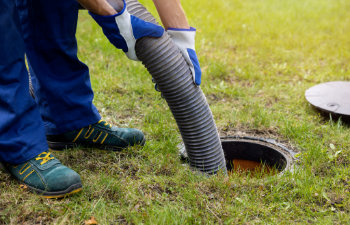
Maintaining a septic tank is a crucial aspect of homeownership for those not connected to municipal sewage systems. Neglecting septic tank maintenance can lead to costly repairs and environmental hazards. One of the most critical maintenance tasks is pumping the septic tank when necessary. But how do you know when it’s time to pump your septic tank? Let’s explore some key signs and guidelines to help you determine when to schedule this vital maintenance task.
Regular Inspection
The first step in determining when to pump your septic tank is to conduct regular inspections. Ideally, it would be best to have your septic tank inspected by a professional like Eco Pump Services at least every three to five years. During these inspections, a technician will assess the tank’s condition, the level of sludge and scum buildup, and the overall health of your septic system. They can provide recommendations based on their findings.
Household Size and Water Usage
The size of your household and your water usage habits significantly affect how frequently you should pump your septic tank. A larger household or one that uses a lot of water will generate more wastewater, leading to faster septic tank filling. As a general guideline, a family of four with a typical-sized septic tank (around 1,000 gallons) should consider pumping every 3-5 years. Smaller households may require less frequent pumping, while larger households or those with smaller tanks may need more frequent service.
Sluggish Drains and Odors
Pay attention to the performance of your plumbing fixtures. Slow-draining sinks, toilets, or showers could signify a full septic tank. Foul odors in your yard or near the tank area are also indicators that your septic system may need attention. These symptoms suggest that the tank is reaching its capacity, and pumping is likely necessary.
Age of the Septic System
The age of your septic system can be a factor in determining when to pump. Older systems may not function as efficiently as newer ones, requiring more frequent pumping. If your system is over 20-30 years old, consult a professional about the recommended pumping schedule.
Local Regulations
Check with your local health department or municipality for any regulations or guidelines regarding septic tank maintenance. Some areas have specific requirements for septic tank pumping frequency, and failing to comply can result in fines or penalties.
Understanding when to pump your septic tank is essential for maintaining a healthy and efficient wastewater disposal system. Regular inspections, household size, water usage habits, sluggish drains, odors, and the age of your septic system are all factors to consider when determining the proper pumping schedule for your home. Remember that proactive maintenance prevents costly repairs and helps protect the environment by avoiding septic system failures and groundwater contamination. When in doubt, consult our team at Eco Pump Services to assess your system’s needs and keep your Pembroke Pines or Fort Lauderdale, FL, home’s wastewater management running smoothly.
Posted on behalf of
15757 Pines Blvd, Suite 315
Pembroke Pines, FL 33027
Phone: (305) 557-2791
Email: info@ecopumpservices.com
Mon - Thurs: 6:00 AM – 5:00 PM
Friday 6:00 AM – 4:00 PM